
What’s Next in Women’s Health? Emerging Trends in Nutraceutical Research: The Estrobolome
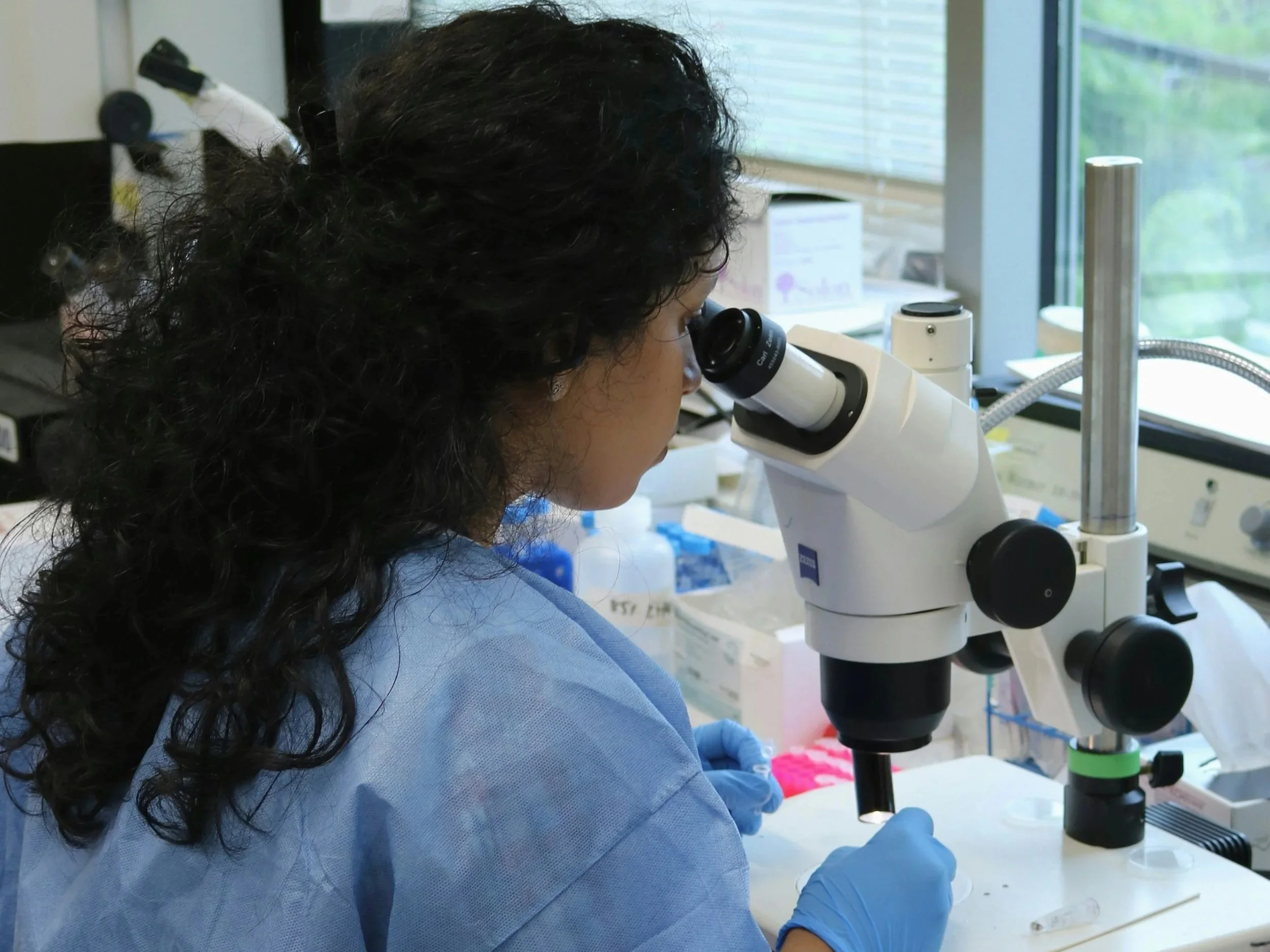
Our rapidly evolving understanding of the microbiota and its systemic impacts on human health has revolutionized the nutraceutical industry. With the rise of condition-specific probiotics, postbiotics, and novel prebiotic fibers, the microbiome has driven the creation of an entirely new category in wellness and personal care.
One of the most exciting emerging frontiers in this space is the estrobolome, a sub-set of the microbiome with particular significance for women’s health has the potential to unlock significant innovation and consumer benefits.
What Is the Estrobolome?
The estrobolome refers to a functional subset of the gut microbiome containing genes that encode enzymes called β-glucuronidases, that reactivate estrogen in the gut. These microbial enzymes play a key role in the deconjugation of estrogens that have been metabolized by the liver and excreted into the gut via bile. Once deconjugated, these free estrogens can be reabsorbed through enterohepatic circulation, returning to the bloodstream in their biologically active form. In this way, the estrobolome influences the pool of circulating, unbound estrogens available to bind estrogen receptors throughout the body. Further complicating our understanding is the bi-directional relationship between estrogen and the gut microbiota: estrogen itself can enhance microbial diversity and increase the abundance and activity of β-glucuronidase-producing microbes, potentially amplifying its own effects via this dynamic feedback loop.(1)
Why the Estrobolome Matters for Women's Health
Dysbiosis or dysregulation of the estrobolome has major implications across a woman's lifespan. Due to differences in estrogen production between premenopausal and postmenopausal women, estrobolome dysfunction may have distinct consequences depending on life stage.
In premenopausal women, imbalances in the estrobolome, whether increasing or decreasing β-glucuronidase activity, have been associated with hormone-sensitive conditions including endometriosis(2), polycystic ovarian syndrome (PCOS), obesity, certain cancers (cervical, breast and endometrial) and infertility, making the estrobolome a potentially important target for optimizing reproductive and metabolic health.(3)
During perimenopause into menopause, decreases in ovarian hormone production correlate with reduced microbial diversity, including declines in estrobolome strains and microbial β-glucuronidase levels. These disruptions in the estrobolome during the perimenopausal transition have been linked to menopausal symptoms such as hot flashes, night sweats, mood changes and ‘brain fog’, as well as more persistent conditions including impaired bone mineral density, weight gain, increases in cardiovascular disease risk and declines in cognitive performance.(4, 5) There has even been speculation that estrobolome dysbiosis may contribute to the increased risk of Alzheimer's disease observed in women compared to men.(6) Considering these major implications, recycling of hormones by the estrobolome may be an important target for supporting health in menopause.

Photo by juliane Monari from Pexels
Strategies to Support a Balanced Estrobolome
1. Fiber-Rich, Plant-Forward Diets
Diets rich in colorful fruits and vegetables deliver fiber and polyphenols that promote microbial diversity, a key determinant of estrobolome function. A 2025 study by Fu et al.(7) 2025 reported that individuals consuming a diet with a higher ‘dietary index for gut microbiota’ (DI-GM), an indicator of gut friendly eating, had lower rates of infertility, providing supportive evidence for the positive effects of diet on fertility.
2. Prebiotic Fibers
Prebiotics, indigestible oligosaccharides like inulin and FOS (fructooligosaccharides) serve as substrates for beneficial microbes including the estrobolome, enhancing microbial diversity and inhibiting pathogens and increasing SCFA production (e.g., butyrate) all of which support gut barrier integrity and reduce endotoxemia. Supplementation with prebiotic fibers during the menopausal transition has been shown to manage some menopausal symptoms, increase microbial diversity and enhance calcium absorption an important factor in bone health.(4)
3. Polyphenols as Prebiotics
Many plant-derived have prebiotic effects, in addition to their strong antioxidant and anti-inflammatory properties. Commensal bacteria utilize these large molecules for fuel, increasing microbial diversity, abundance of commensal bacteria and eliminating pathogens. The resulting metabolites are small enough to be absorbed and because they retain their bioactivity, can enter the circulation and exert systemic benefits. Several polyphenols, including anthocyanins, quercetin, epicatechin, kaempferol, luteolin and procyanidins have been demonstrated to increase microbial diversity in animal models.(8) For example, we demonstrated that fortification of the diet with anthocyanins prevented high-fat diet induced obesity, dyslipidemia and insulin resistance(9) as well as dysbiosis of the microbiota, including preservation of Akkermansia muciniphila abundance in mice.(10) Despite these promising findings, more research is needed to understand the effects of polyphenols on microbial diversity, with a focus on the estrobolome, in humans.(8)
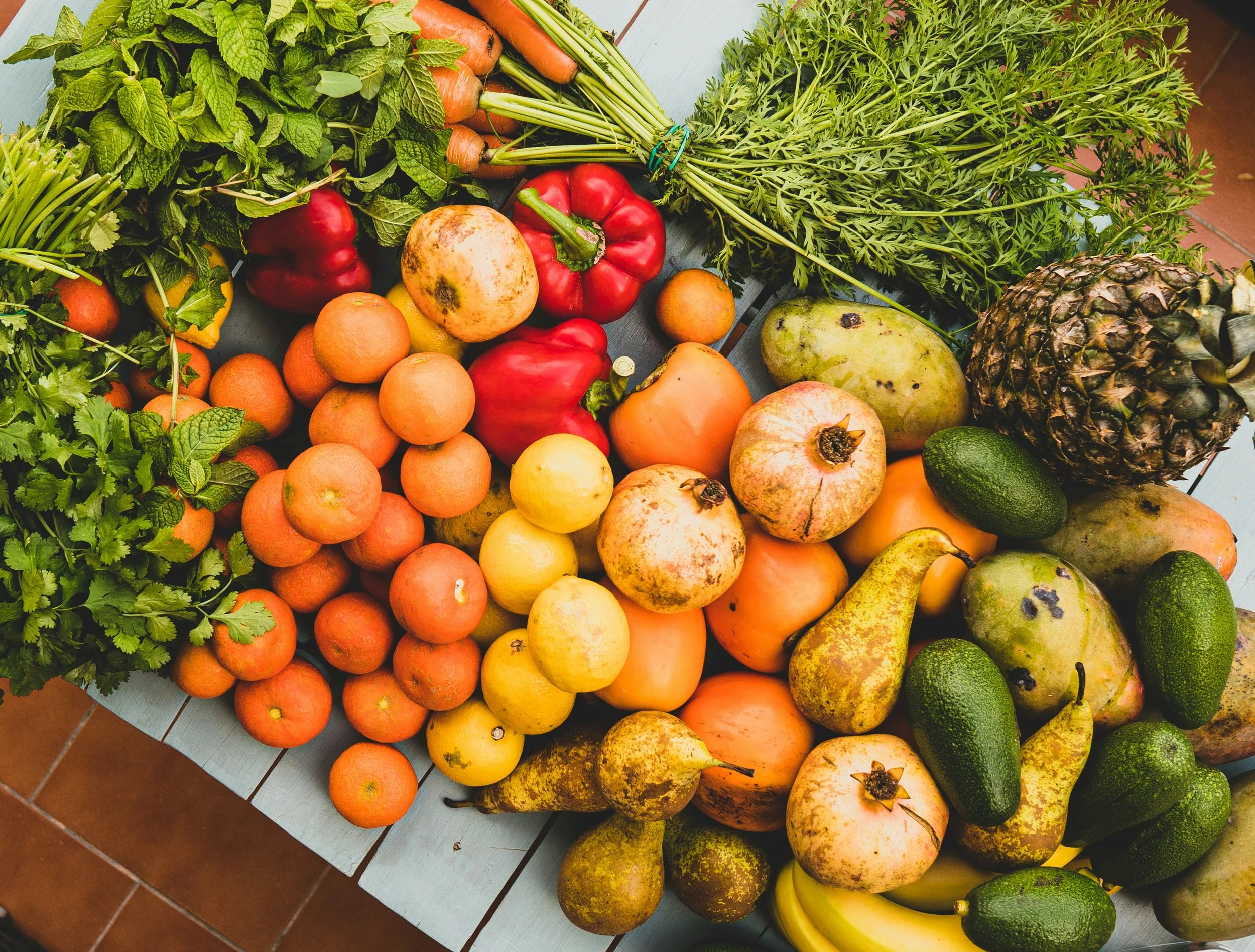
Photo by Tom Brunberg on Unsplash
4. Targeted Probiotics
Over 60 microbial strains containing genes encoding for β-glucuronidases have now been identified in the human gut, providing several targets for commercial probiotic development.(8) A recent study by Honda et al.(11) investigated the effects of supplementation with a blend of three probiotics, one of which was a β-glucuronidase-producing strain, in peri- and postmenopausal women. Twelve weeks of supplementation increased plasma estrogen to premenopausal levels, while estrogen levels in the placebo group decreased. However, no differences in β-glucuronidase activity in fecal samples were detected and surprisingly, despite the sustained increases in circulating estrogens in the treatment group only, no differences in menopausal symptoms were observed. In fact, symptoms improved in both the treatment and the placebo groups. The fact that estrogen levels were restored to premenopausal concentrations, but not higher, is promising from a safety standpoint and suggests probiotic supplementation may be a new strategy of hormone replacement therapy moving forward. Much more research is needed in this area, but I believe we can expect the emergence of commercial probiotics designed to modulate the estrobolome, similar to the successful commercial production of Akkermansia muciniphila for metabolic health, in future.
Final Thoughts: A Personalized Approach
As with the broader microbiome, balance is key. The goal is not to increase or suppress estrogen blindly, but to modulate its bioavailability in harmony with a woman’s life stage, hormone profile, and health status.
Women with hormone-sensitive conditions, like estrogen-receptor-positive cancers, should consult a healthcare professional before initiating estrobolome-targeted interventions, as increased β-glucuronidase activity may not be appropriate in all contexts.
Looking ahead, estrobolome research could unlock new, precision-targeted nutraceutical strategies that redefine how we approach hormonal health, menopause, fertility, and even mood and cognition.

Angela Mastaloudis, PhD
Scientific Advisor and Expert Consultant, Dynamis Nutrition Science
