
Researcher Spotlight: Dr. Eleonora Cremonini on Polyphenols, Metabolic Health & Brain Function

This month we are highlighting Eleonora Cremonini, PhD a WIN volunteer and member of the WIN Clinical Researcher Database.
Dr. Cremonini is an Associate Researcher in the Department of Nutrition at the University of California at Davis where she studies the effects of polyphenols on metabolic health using a combination of cell culture, animal models, and human clinical trials. Her work spans the gastrointestinal tract, including intestinal permeability, inflammation and the microbiota, to systemic outcomes such as glucose and lipid metabolism, the gut-brain axis and metabolic dysfunction-associated steatotic liver disease (MASLD, previously known as NAFLD). Over a 15+ year career, she has published more than 40 peer-reviewed articles and collaborated with academic and industry partners on a broad portfolio of plant polyphenols, including anthocyanins (the pigments responsible for the deep purples and blues of berries like blackcurrants and blueberries), epicatechin, curcumin, sulforaphane and proanthocyanidins.
This month, Dr. Cremonini published the results of a clinical study examining the effects of an anthocyanin supplement on brain-derived neurotrophic factor (BDNF), a protein often described as a "fertilizer" for the brain that supports learning and memory, promotes neuronal survival and protects against neuroinflammation.
This study is a follow-on to an earlier randomized, placebo-controlled crossover trial in which twenty-three healthy men and women (ages 19–35) consumed a high-anthocyanin powder blend (320 mg, particularly rich in cyanidin and delphinidin) dissolved in water, or a placebo powder, immediately before a high-fat meal in randomized order. That initial study confirmed that, compared to placebo, the high-fat meal triggered the expected postprandial increases in blood glucose, triglycerides, inflammatory markers, oxidative stress markers, and circulating endotoxins, compounds produced by gut bacteria that can leak into the bloodstream and drive systemic inflammation. Importantly, the anthocyanin blend significantly mitigated all of these negative effects, adding to a growing body of evidence that polyphenol-rich foods and supplements can buffer the metabolic, inflammatory, and oxidative consequences of a high-fat meal.
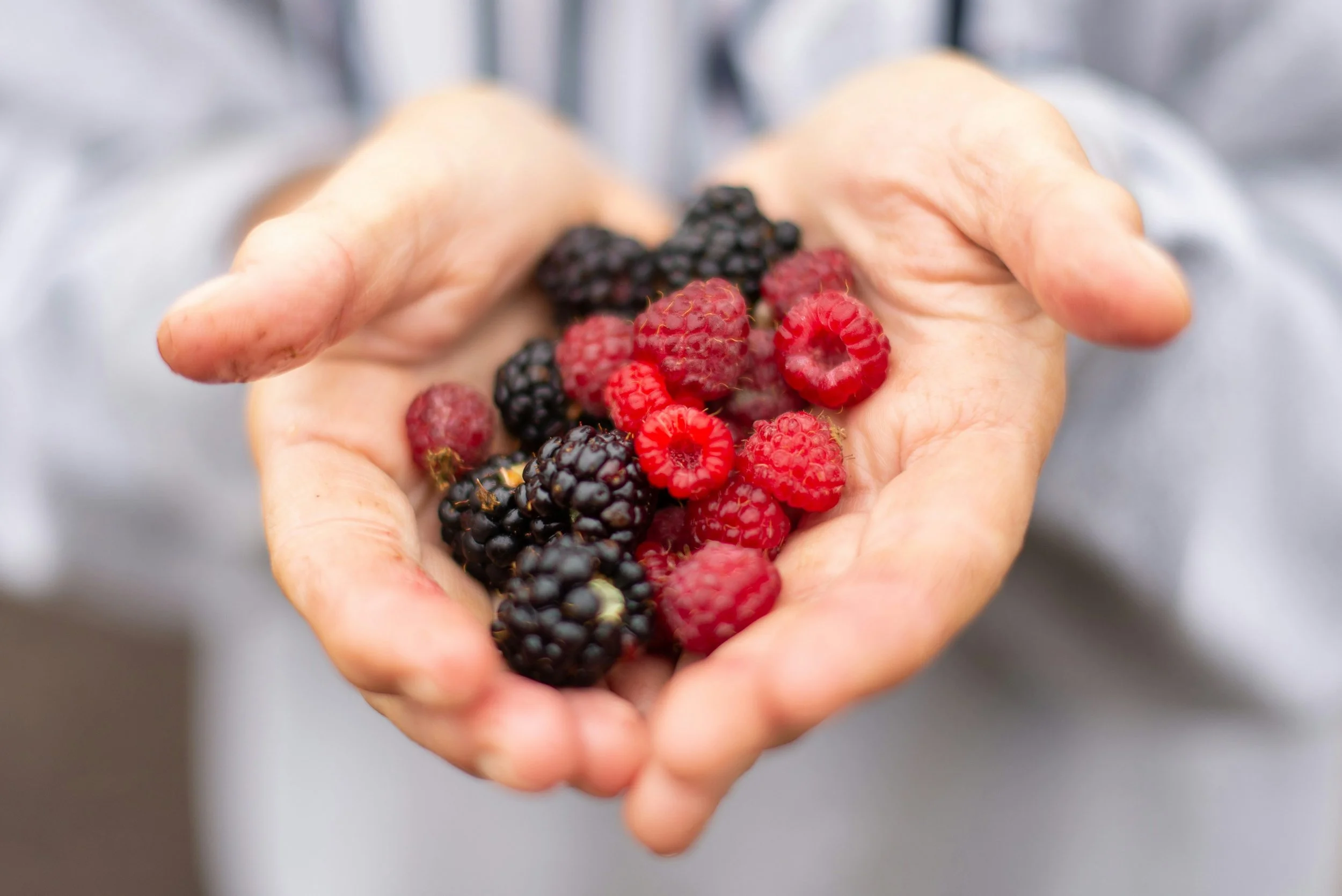
Photo by Zoe Richardson on Unsplash
Beyond metabolic health, anthocyanins have demonstrated benefits for cognitive function, memory and mood across the lifespan, yet the mechanisms remain underexplored. BDNF is a compelling candidate: low levels are linked to cognitive decline, depression and dementia, and until recently only exercise had been shown to reliably raise them, though emerging evidence, including animal research from Dr. Cremonini's own group, suggests anthocyanins may too.
This provided the rationale for Dr. Cremonini's team to return to samples from that same trial and investigate whether the anthocyanin blend might also influence BDNF in humans. They found that while the high-fat meal alone had no effect on BDNF levels, consuming the anthocyanin blend produced a striking result: participants had 71% higher circulating BDNF levels in the three hours following consumption compared to when they consumed a placebo with the same high-fat meal.
Most clinical nutrition studies tell you whether something works, Dr. Cremonini's research program also tells you why. In addition to the human clinical data, the gold standard for nutrition research, her team used state-of-the-art in vitro and ex vivo methods to identify the underlying mechanisms. They found that the two primary anthocyanin metabolites circulating in the blood following supplementation directly activated the cellular receptors responsible for switching on the BDNF gene, providing a clear biological rationale for the clinical finding. This kind of mechanistic insight also reflects the reality of how we eat: a healthy diet delivers many bioactives simultaneously. Understanding the specific pathways through which individual compounds operate helps us predict how they might interact and whether combining ingredients with complementary mechanisms could produce synergistic effects.
While adding berries to a high-fat meal is certainly a good idea, the broader message from this research is more powerful: regularly incorporating anthocyanins, whether through diet or supplementation (preferably both!), supports both metabolic and cognitive health as part of a daily routine, not just as damage control after an indulgent meal.
If you are interested in learning more and/or collaborating with Dr. Cremonini, you learn can contact her via the WIN Clinical Researcher Database https://www.womeninnutraceuticals.org/researchers-database, a public, searchable resource designed to connect academic investigators and select clinical research organizations (CROs) with nutraceutical industry partners interested in scientific research collaboration.
