
Why Gender Equity Matters in Nutraceuticals
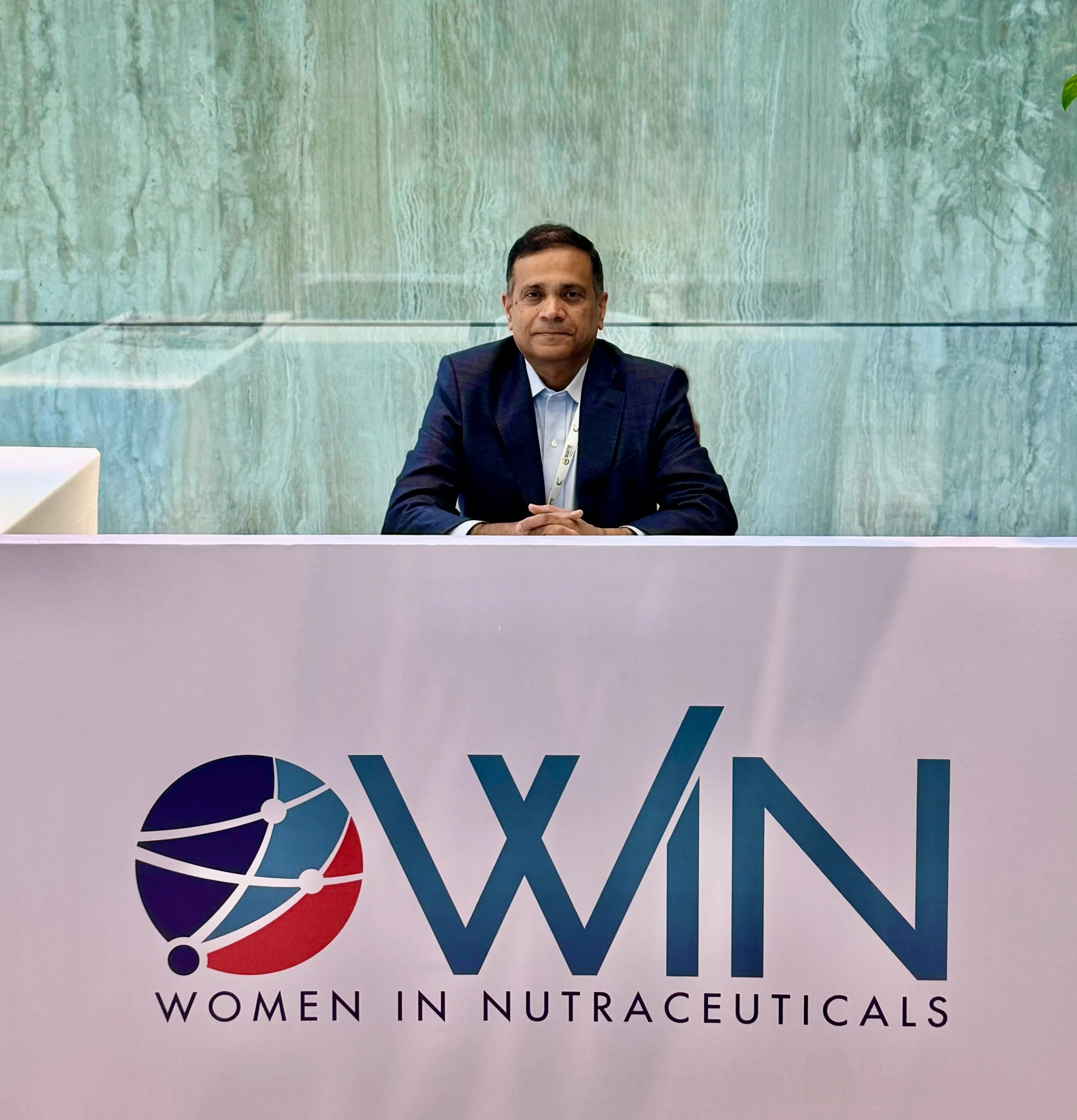
by Anand Swaroop, Founder, Cepham Inc., Co-Founder, Nutrify Today
Here is something that should stop every industry leader in their tracks: roughly 65% of the farmers and post-harvest processors in our supply chain are women. Women make the majority of health decisions for their families. They are the backbone of both supply and demand in nutraceuticals. And yet, when you walk into industry leadership rooms, that reality is almost invisible.
That disconnect is not just unfair. It is a strategic failure. When the people shaping products and setting research agendas do not reflect the people growing ingredients, processing them, and ultimately buying them, we end up with blind spots. We miss insights that could drive better formulations, stronger clinical evidence, and more relevant health solutions for the populations we claim to serve.
I come from a science background. I believe in data. And the data is unambiguous: diverse teams outperform homogeneous ones. Companies with gender-balanced leadership consistently show stronger financial returns. But beyond the spreadsheets, there is a principle from Indian philosophy that guides me. We call it dharma, which translates roughly to duty or righteousness. Equity is not charity. It is smart business, and it is the right thing to do. Those two truths do not compete with each other. They reinforce each other.
My Personal Journey to Becoming an Ally
I grew up in 1980s India, and every morning I watched my mother perform puja to powerful goddesses. Durga, Lakshmi, Saraswati. These were fierce, sovereign figures who embodied strength, wisdom, and creative power. But the moment you stepped outside, women lived under a completely different set of rules. My mother was a brilliant woman who, despite the constraints of 1960s India, pursued her bachelor's, her master's, and began work on a PhD. She once told me something I carry to this day: "Learning helps create a better world, son, and makes me a better parent."
When I came to America, I assumed I was leaving that contradiction behind. I was wrong. Gender inequity is not a geography problem. It is a human problem. The same patterns show up everywhere, just dressed differently. In boardrooms instead of family gatherings. In corporate policies instead of social customs.
My biggest learning from the women leaders in WIN? Sometimes, men need to be quiet and listen. WIN has been my teacher in many ways. The women I have worked alongside are not looking for favors. They are asking for equal access to merit-based opportunities that many men take for granted without even realizing it. That realization reshaped how I think about leadership. True leadership is not about holding power. It is about making room for others to exercise theirs.
Men's Role in Advancing Women's Leadership
We need more men to move beyond performative allyship to actual advocacy. Saying the right things at conferences is easy. Doing the work is harder. Here is what I have seen make a real difference.
First, use your network deliberately. If you are in a position to open doors for sponsorships, partnerships, or introductions, ask yourself who you are opening those doors for. If the answer is always someone who looks like you, that is a pattern worth breaking.
Second, treat women colleagues as professionals, full stop. Something that bothers me deeply is watching talented women executives being treated in one of two problematic ways: either viewed through a lens of gender-based assumptions, or met with this overcautious tiptoeing that is equally counterproductive. Neither is respect. Respect looks like honest feedback, genuine collaboration, and trusting competence.
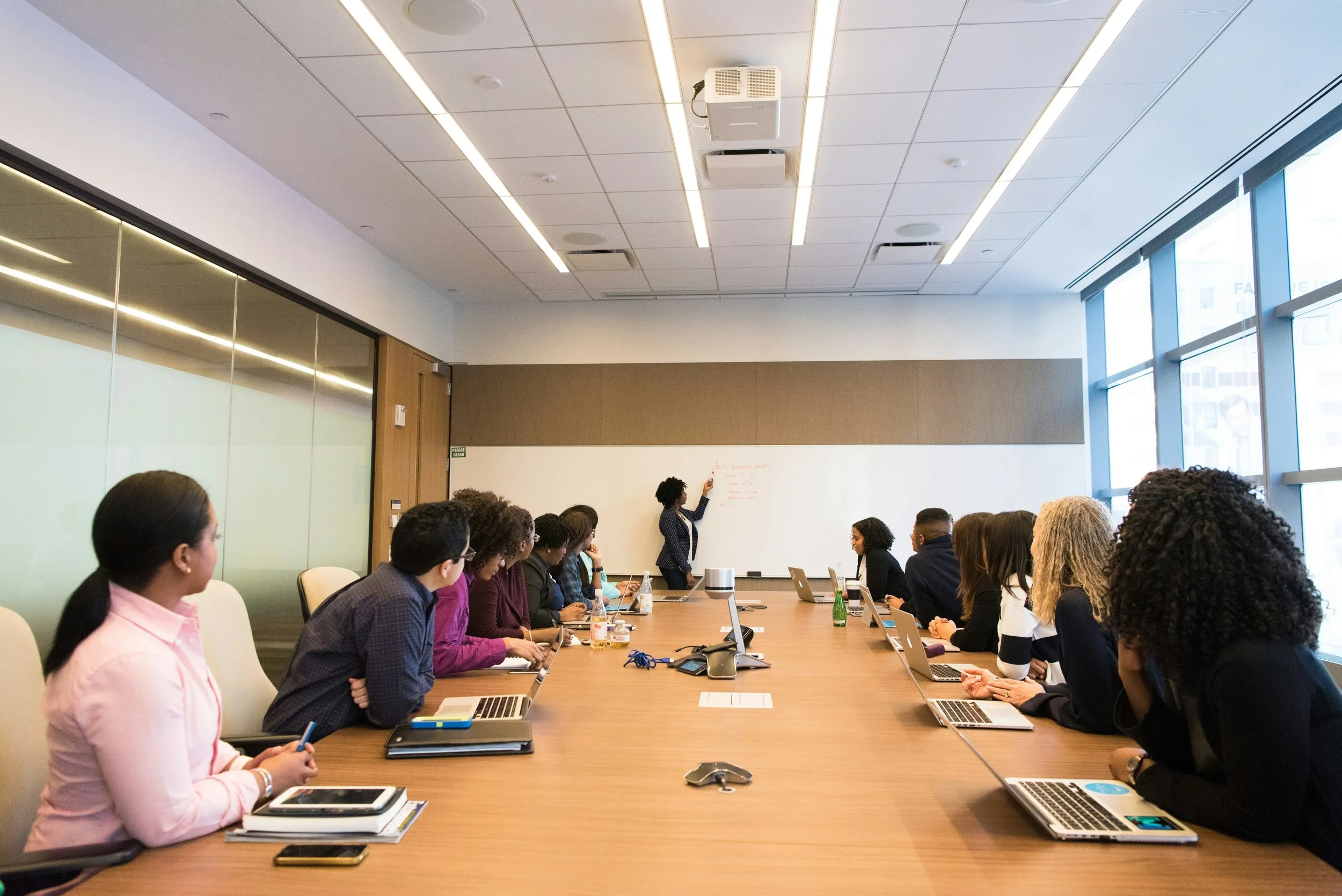
Photo by Christina @ wocintechchat.com M on Unsplash
Third, show up and do the work. Serving on a working board like WIN's is not an honorary title. It means committee engagement, meeting preparation, relationship-building, and accountability. Men who join these efforts need to contribute with the same rigor expected of everyone else.
And finally, invest in the next generation. My daughter is a neuroscientist, and when I think about her future in this industry, the question is not just what opportunities exist today. It is what barriers we are willing to tear down so the women coming after us do not face the same walls.
The Business Case for Equity
When I sit across from skeptical executives, I do not start with philosophy. I pull out the numbers. Research from McKinsey and Catalyst has shown repeatedly that companies in the top quartile for gender diversity are more likely to outperform their peers financially. That is not ideology. That is evidence.
But let me bring this closer to home. In the nutraceutical space, our supply chain literally depends on women. At the farm level, during post-harvest processing, and through to final consumer purchase decisions, women are the engine. When companies fail to include women in leadership and R&D, they are making strategic decisions about a market they only partially understand. You would never launch a product without consumer research. Why would you run a company without the perspectives of the people who drive your entire value chain?
At Cepham, our focus on women's health research, products like our Shatavari extract for menopausal health, grew directly from having diverse voices at the table. The clinical questions we ask, the ingredients we develop, and the way we design studies are all sharper because of it. That is not a coincidence. It is what happens when the people building solutions actually reflect the people those solutions serve.
Those goddess stories from my childhood were not just myths. They were blueprints for a world where power is not gendered, and strength comes in all forms. That is the world I want to help build, and the business results follow when we do.
