
Show Consumers What’s Behind the Product
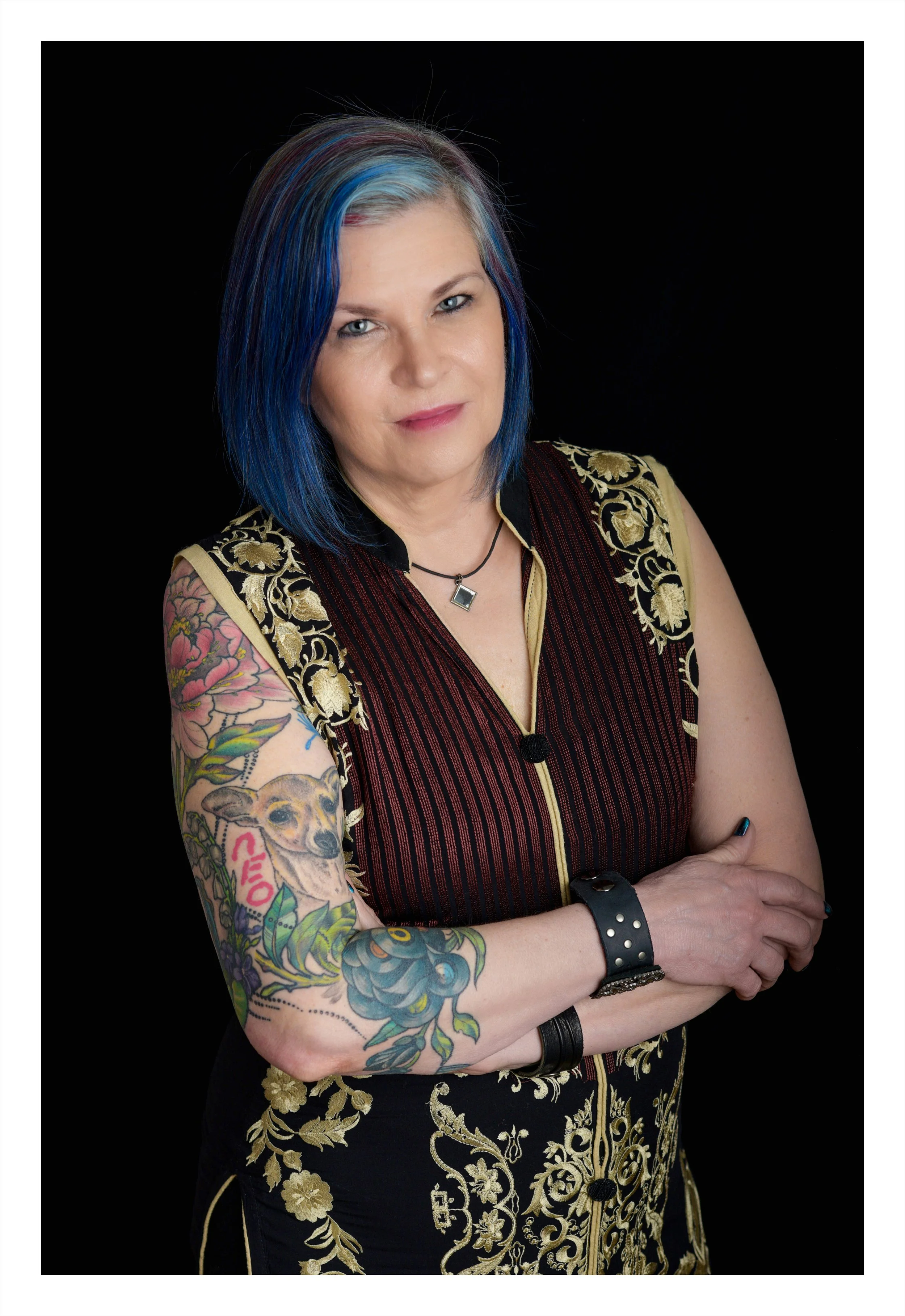
Suzanne Shelton, Founder & Managing Partner, the Shelton Group
(photo credit: Daphne Walsh)
WIN: What's one opportunity you believe natural products companies are missing when it comes to telling their story?
Suzanne: Over the years, natural products brands have gotten somewhat better at supporting their quality claims with greater transparency, but there is much more to be done. One opportunity I believe companies are still missing is telling the complete story of what happens behind the scenes to produce a quality product.
That starts with ingredients.
There is far more research being conducted on ingredients today than when I first entered the nutraceuticals industry 36 years ago. For suppliers that need help with this, there are excellent companies that can guide ingredient suppliers through the process, from study design through publication. But conducting research and effectively communicating it are two different things.
I still see research examining aspects of health that cannot be used for marketing in some regions because the studies focus on diseases. That suggests research, regulatory, and marketing teams should be talking to each other much earlier in the process. I also still hear about companies submitting ingredients for awards using "borrowed" science that wasn't conducted on their ingredient. If it’s you, stop doing that; you're just embarrassing yourself.
There are many other quality stories worth telling. If your supplier can document chain of custody, tell your customers. If your company is involved in industry self-policing efforts, make that known. I must use some clients as examples here, because they demonstrate my point. NOW has purchased products on Amazon, tested them and published the (often alarming) results. Sabinsa alerted the industry to the problem of synthetic curcumin not labeled as such. Nammex has consistently stated that product labels and marketing should differentiate between mushrooms and mycelium fermented grain. These efforts demonstrate a commitment to quality that extends beyond a company's own products.
The companies doing all of this well have much richer stories available to tell.
Sabinsa, for example, has invested extensively in clinical research on its branded ingredients. That allows customers using those ingredients to talk about research conducted on the actual branded material rather than borrowing science from an ingredient category. Ingredient suppliers that make this investment give finished-product brands a valuable asset. Brands should make more of it.
Science, however, is only one part of the story.

Photo by Jesse Bauer on Unsplash
Nammex provides another example. Its work in the mushroom category has included developing and openly sharing analytical approaches to help establish ingredient identity and distinguish authentic mushroom materials. Its involvement in efforts surrounding authenticated fungal reference materials, validated analytical methods and industry-wide testing standards demonstrates something consumers rarely hear about: responsible companies don't just test their own products; some invest resources in improving the tools the entire industry uses to determine quality.
Why wouldn't a brand using ingredients from a supplier doing that work tell its customers about it?
The same applies to sourcing. Nuherbs has spent decades developing direct relationships with growers and processors and has increasingly diversified those relationships beyond China. That global sourcing strategy isn't simply about finding ingredients. It encompasses traceability, quality, responsible sourcing, supply continuity and long-term relationships. Those are meaningful differentiators at a time when consumers want to know where products come from and how companies behave throughout their supply chains.
Quality assurance itself also offers far more storytelling opportunities than many companies recognize. Ethical Naturals Inc., for example, built its business around the principle "Nature Verified by Science," supported by its quality assurance program and in-house analytical capabilities. There is a story behind a company deciding that ingredient identity and quality should be verified rather than assumed. There is also a story in the investment required to build and maintain those capabilities.
One part of a presentation Scott Dicker of SPINS gave at an AHPA Member Meeting a few years ago particularly stayed with me, and subsequent data has reinforced it: consumers, especially younger consumers, increasingly factor a company's ethical governance, transparency, and sustainable practices in sourcing and operations into purchasing decisions. Demonstrated efficacy matters, but it isn't enough. Younger consumers want to know not only whether a product works, but whether they can trust the company selling it and feel good about supporting how that company does business. Ethics, in other words, is becoming part of the value proposition.
This is where brands can become much more transparent.
Photo by ThisisEngineering on Unsplash
Don't just put "Certified Drug Free" or "Certified GMP" by BSCG on a website. Link consumers to the certification. Reveal the independent laboratories you use and make Certificates of Analysis accessible. Explain what your quality program actually requires. If an ingredient is FairWild certified, don't assume consumers know what that means. Explain it.
Sustainability deserves the same treatment. Herbal products manufacturer Herbalist & Alchemist publishes an annual Sustainability Report that discloses its progress from one year to the next. That's very different from simply putting the word "sustainable" on a website. Reporting creates accountability. It gives customers something concrete against which to evaluate a company's claims and its progress.
I would also like to see brands spend far more time showcasing their ingredient partners. Tell consumers about their clinical studies, but don't stop there. Talk about their sustainability practices, contributions to validated test methods, relationships with growers, ethical governance, quality initiatives, and advocacy for industry best practices.
The story of a supplement doesn't begin when ingredients arrive at the manufacturing plant. It may begin years earlier with a grower, a research program, development of an analytical method, a sustainability initiative or an investment in a supply chain designed to protect quality and continuity.
SPINS predicts Millennials and Gen Z will hold 47–60% of buying power by 2030, and these consumers are looking beyond a product's stated benefit. Environmental integrity, authenticity, clean labels, and corporate responsibility can all influence how they view a brand.
Companies that can demonstrate that their values are reflected in how they source, test, manufacture and conduct business have an important story to tell. Natural products companies already have many of the stories these consumers want to hear. In many cases, they simply aren't telling them.
Brands should be transparent not only about their own practices, but also about the people and companies throughout their supply chain that make their quality promises possible. For younger consumers in particular, how a company behaves can increasingly matter alongside what its products do. Show conscious consumers that you are conscious producers, if indeed you truly are.
