
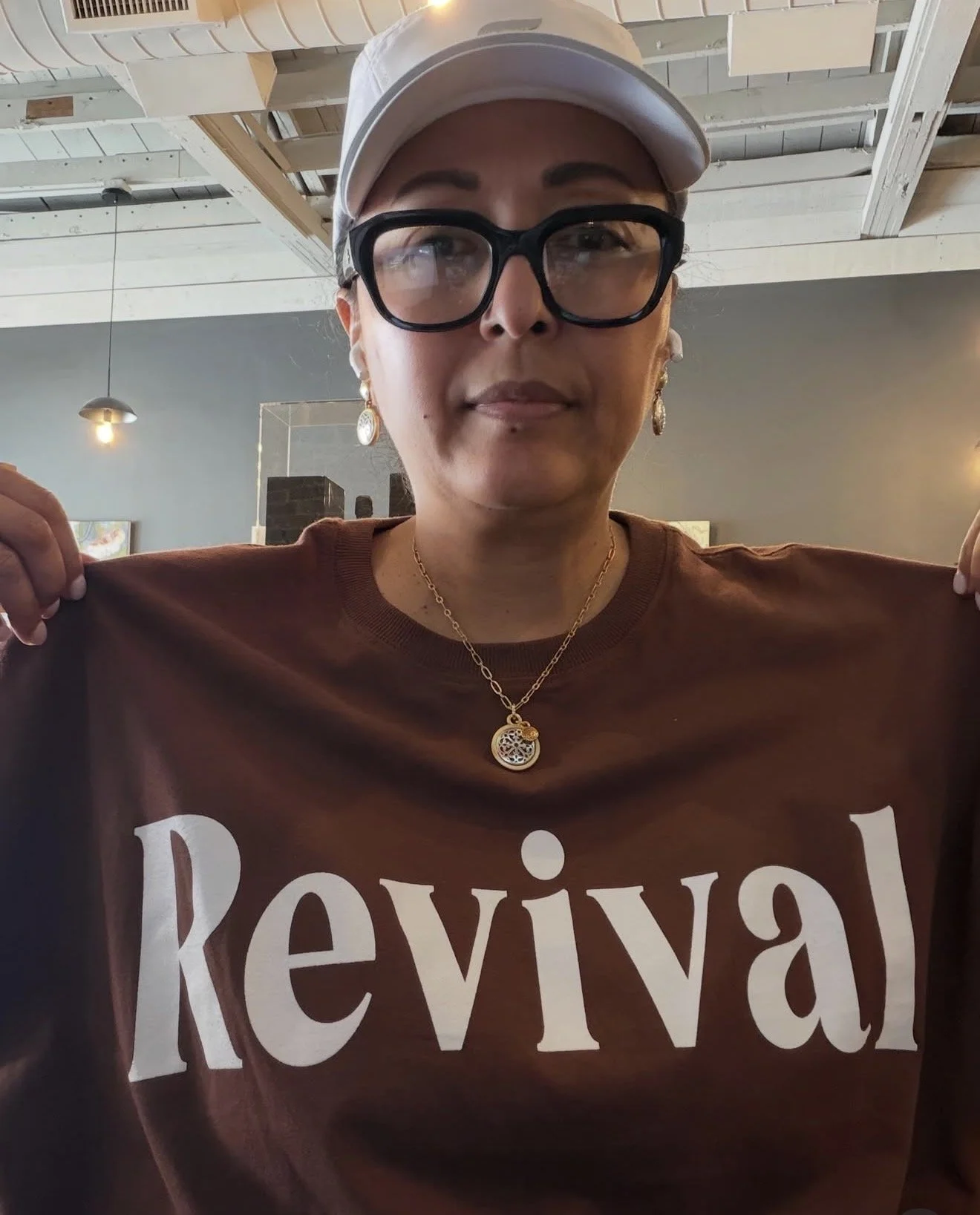
Career transitions can bring uncertainty, but they can also create opportunities for growth, reinvention, and new ways to contribute. Drawing on a 25-year career and her own experience navigating change, WIN member Kimberly Summers shares lessons on resilience, career pivots, and moving forward with greater purpose.
WIN: Why is career pivoting becoming an essential professional skill?
Kimberly Summers: My 25-year career has taught me that success is not defined by a title, company, or even a particular industry. Some of my greatest periods of growth have come when circumstances required me to pivot.
Career transitions challenge us to take inventory of what we know, what we value, and what we can carry forward. I’ve learned to view those moments less as interruptions and more as opportunities to apply my experience differently.
Resilience, to me, is not simply bouncing back. It is moving forward with greater awareness, adaptability, and purpose.
WIN: What are some of the biggest challenges you’ve faced when navigating change?
Kimberly: It starts with looking in the mirror and being willing to do the work. As a Positive Intelligence Coach, I am building my practice around shadow work, and starting with oneself is key. If I want to give Sage advice to others, I need to activate my own Sage—and that is a daily practice. I have to recognize my Saboteurs in action and be willing to interrupt them, constantly.
Change can make it tempting to focus on everything happening around us. But some of the most important work begins by asking:
What might I need to change in myself?
That willingness to examine our own patterns, assumptions, and reactions can transform how we navigate what comes next.
WIN: How can professionals turn setbacks into opportunities for growth?
Kimberly: Throughout my life, I’ve studied the Buddhist principle of hendoku-iyaku, which literally translates to “changing poison into medicine.” It teaches that adversity—the “poison” we encounter—can become the very material from which we create something of value. That doesn’t mean pretending a difficult experience wasn’t difficult. It means asking what we can transform because of it.
A career setback can reveal strengths we were not using, relationships we had not considered, or an entirely different path forward. Sometimes the medicine isn’t immediately visible.
Our industry is especially welcoming to entrepreneurial thinking. When traditional prospects fall short of what we expect, consider casting that net a little wider. Freelance work, consulting, fractional assignments, project-based engagements, or collaborations can open doors we may not have considered.
Entrepreneurship doesn’t always mean starting a business. Sometimes it means asking, “What problem can I solve, and where can my experience create value?”
That is why changing poison into medicine is such a powerful metaphor for resilience: the experience that challenged you does not have to write the ending of your story.
WIN: What practical advice would you offer someone who suddenly finds themselves at a career crossroads?
Kimberly: Consider volunteering for a cause that resonates with what you’re passionate about.
Speaking for myself, organizations like WIN presented opportunities to help propel programming that can address shared pain points. Volunteering kept me engaged, learning, contributing, and building relationships. The result has been meaningful new relationships and opportunities that developed organically.
Now, I’m also building on a thesis from my university days about Sustainable Enterprise Management, and my consulting business supports leaders championing transformational leadership initiatives. I’m grateful for the extra space in my life to help create something our industry is in such desperate need of.
WIN: Looking back, what lessons have shaped your own approach to resilience and reinvention?
Kimberly: I’ve tried to keep an open and humble mind about innovation—both for myself and the environment around me. One of my top five strengths is a “Love for Learning,” and I stay curious, which can also challenge me to consider what else I can create or contribute.
When possible, I love to share my lived perspectives through creative channels. Our influence often extends farther than we realize; the world has its eyes on how we lead, respond to change, and treat others along the way.
I strive to make that influence worthwhile—and enjoy the process, of course!
