
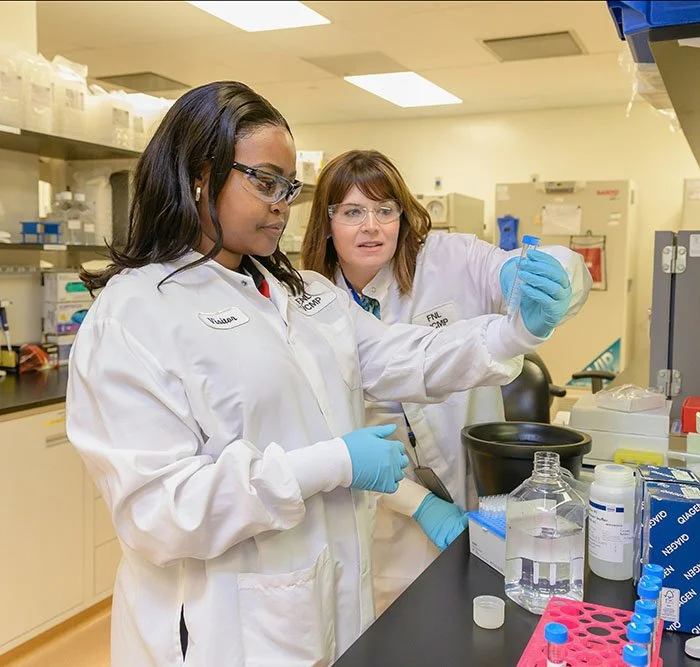
Every year on January 25, we recognize Women’s Health Research Day, marking the anniversary of the National Institutes of Health's (NIH) landmark 2016 policy on Sex as a Biological Variable (SABV). This policy fundamentally reshaped modern research by requiring scientists to account for sex differences in study design, analysis, and reporting—an essential step toward improving health outcomes for everyone.
A five‑year review of the SABV policy by the NIH Office of Research on Women’s Health highlighted both progress and persistent gaps. Between 2009 and 2019, the percentage of sex‑inclusive studies increased across neurology, immunology, endocrinology, and physiology. However, the percentage of studies that actually analyzed data by sex declined in most disciplines, with pharmacology being the only exception. These findings underscore a critical point: true scientific rigor requires considering sex differences not only in recruitment, but also in statistical analysis and interpretation.
The importance of this work is already evident. For example, a 2021 study found that the systolic blood pressure range associated with cardiovascular risk is significantly lower in women than in men, suggesting that current hypertension guidelines may not adequately protect women.
Similarly, a review of 30 pharmacological studies on COVID‑19 treatments revealed that none stratified participants by sex or evaluated sex‑specific effect sizes—even though emerging evidence showed clear differences in ICU admissions and mortality between men and women.
For companies committed to wellbeing, innovation, and equity, Women’s Health Research Day is more than a scientific anniversary. It is a reminder that women’s health is foundational to public health, evidence‑based wellness strategies, and a thriving nutraceutical industry.
Why SABV Matters for Corporate Wellness
Women make up a significant portion of today’s workforce, yet for decades, health research often overlooked sex‑specific biology. The result was predictable: gaps in diagnosis, treatment, and prevention—especially in areas like cardiovascular health, immune health, mental health, metabolism, and nutrition.
The SABV policy helps to ensure that research reflects the biological realities of both women and men. For the nutraceutical industry, this shift supports:
More effective wellness recommendations tailored to women’s physiology
Better understanding of stress, recovery, and cognitive performance across consumers
Improved nutritional and supplement strategies that account for sex‑specific responses
More equitable innovations and products that reach more people
When research includes women, wellness improves for everyone.
The Role of Women In Nutraceuticals (WIN)
As the nutraceutical industry continues to grow, Women In Nutraceuticals (WIN) has emerged as a powerful force accelerating progress in both women’s health research and women’s leadership.
WIN’s Impact on Women’s Health Research
WIN advocates for stronger representation of women, both as research participants and as scientific leaders. Their initiatives help:
Expand research on women’s unique nutritional needs
Encourage companies to invest in sex‑specific and life‑stage–specific studies
Promote evidence‑based product development that supports women’s health across the lifespan
Build collaborations between academia, industry, and government
By pushing for more inclusive science, WIN helps ensure that nutraceutical innovation truly serves the women who rely on it.
WIN’s Support for Women in Science and Leadership
WIN also plays a critical role in shaping the future of the nutraceutical workforce by:
Supporting mentorship and career advancement for women in science
Increasing female representation in Reaseach and Development (R&D), regulatory, and executive roles
Providing leadership development and networking opportunities
Advocating for equitable hiring, promotion, and compensation practices
How Companies Can Take Action
Here are a few meaningful ways organizations can honor January 25:
Highlight women’s health resources in corporate wellness programs
Support internal education on sex‑specific health and nutrition
Partner with organizations like Women In Nutraceuticals
Encourage women scientists and leaders through mentorship and development programs
Promote research‑backed supplements and wellness strategies that reflect SABV principles
Small steps can create lasting impact.
A Day to Celebrate—and a Reminder to Keep Moving Forward
Women’s Health Research Day celebrates progress, but it also reminds us that the work isn’t finished. By supporting inclusive research, empowering women in science, and integrating sex‑specific insights into wellness strategies, companies can help build a healthier, more equitable future.
And with organizations like Women In Nutraceuticals leading the charge, the nutraceutical industry is uniquely positioned to drive meaningful change—both for women and for the broader workforce.
