
The Removal of the Black Box Warning on HRT: What It Means for Women’s Health & the Nutraceutical Industry
by Karen Hecht, Ph.D. and Karin Hermoni, Ph.D
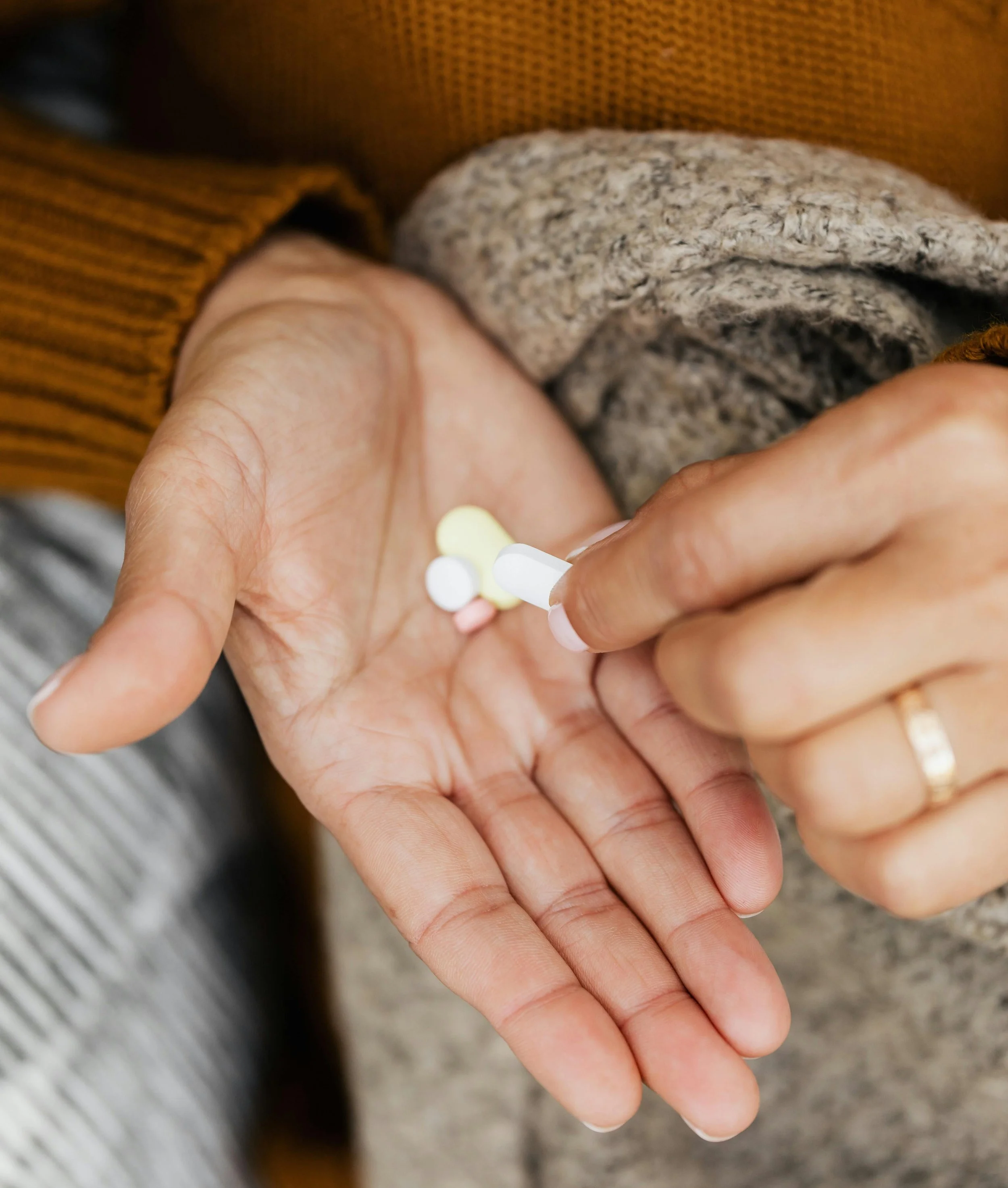
For more than two decades, a single warning label reshaped how millions of women experienced midlife. Fear replaced nuance, silence replaced care, and an entire generation navigated perimenopause and menopause without one of the most effective tools available. The black box warning—added after early and misleading interpretations of the 2002 Women’s Health Initiative (WHI) study—suggested elevated risks of breast cancer, cardiovascular disease, and stroke. As a result, countless women and clinicians avoided or discontinued hormone replacement therapy (HRT).
That era is now ending. The U.S. Food and Drug Administration (FDA) has begun removing these broad warnings, marking a historic shift in women’s health policy and opening a new chapter for both medical and nutraceutical approaches to menopause support.
Why the Warning Is Being Removed
The Department of Health and Human Services (HHS) and FDA now acknowledge that the original WHI interpretations were overly broad and, in some cases, misleading. Updated analyses show that risks vary significantly by age, timing of therapy, and formulation. For healthy women under 60 or within 10 years of menopause, the benefits of HRT—relief from vasomotor symptoms, improved sleep and mood, and prevention of bone loss—often outweigh the risks.
Experts have long argued that the warning overstated dangers and discouraged appropriate treatment. Its removal reflects a renewed commitment to restoring rigorous, evidence‑based science to women’s health.
What This Means for Women
The implications are substantial:
Reduced stigma and confusion. The warning created fear that overshadowed nuanced medical guidance. Its removal supports more balanced, informed conversations.
Greater access to effective therapies. Millions who avoided HRT may now reconsider it as a safe, evidence‑based option for symptom relief and long‑term health.
More personalized care. Without a blanket warning, clinicians can tailor therapy based on age, health status, and symptom severity.
This shift also reflects a broader cultural moment: menopause is finally being recognized as a major women’s health priority rather than a taboo topic.
Implications for the Nutraceutical Industry
Modern menopause care is increasingly multidisciplinary, blending personalized treatments, smart devices, exercise, and nutrition. Nutraceuticals are well positioned to support women—either alongside HRT or as standalone options addressing sleep, stress, cognition, metabolic health, and cardiovascular support.
With menopause in the spotlight, and estrogen “getting its moment”, the industry can take a more nuanced approach to hormonal balance products. Phytoestrogens, long overshadowed by fear‑based messaging, now have an opportunity to reach a wider audience. Brands that emphasize transparent science, responsible claims, and practitioner‑aligned messaging will stand out.
Major companies are investing heavily in the category. Pharmavite’s acquisition of Bonafide, Amerifit’s continued leadership with Estroven, Haleon’s activation of Centrum, and Walmart’s launch of O Positiv all signal accelerating mainstream momentum. Innovation across supplements, functional foods, and cosmetics—from MenoWell bars to Naomi Watts’ Stripes Beauty and Serena Williams’ investment in WILE—continues to gain traction.
As the market expands, strong science, clear benefit communication, and trust‑building will be essential in guiding consumers towards effective solutions.
A New Era in Menopause Care
The removal of the black box warning is more than a regulatory update—it’s a cultural reset. Women deserve accurate information, access to effective therapies, and a healthcare system that treats menopause as a vital life stage. For the nutraceutical industry, this is a moment to innovate and partner with clinicians to deliver holistic, evidence‑based support.
WIN remains committed to advancing science, lifting up leaders, supporting entrepreneurship, and strengthening solutions that empower women with informed choices.

Karin Hermoni, Ph.D., Founder of Imagine Health
Dr. Karin Hermoni is a globally recognized nutrition and wellness expert known for bridging rigorous science with real-world industry application. She is the founder of Imagine Health, a boutique advisory firm supporting B2B and B2C companies in the dietary supplement and functional foods sectors, and serves as Co-Chair of the Science Committee at Women in Nutraceuticals.

Karen Hecht, Ph.D., Vice President of Science at AstaReal, Inc.
Dr. Karen Hecht is Vice President of Science at AstaReal, Inc., where she leads research and science-based strategies advancing natural astaxanthin for the health and wellness industry. She holds a Ph.D. in Molecular Biology from the University of Pittsburgh and is passionate about translating complex science into actionable insights. She also mentors and supports women in science through her work on the WIN Science Committee.
